3714 Big A Rd, Rowlett, TX, 75089
Bonded & Insured
Rowlett, TX

Rowlett, TX Siding Contractor Built for Hail, Heat & Lake Ray Hubbard Wind

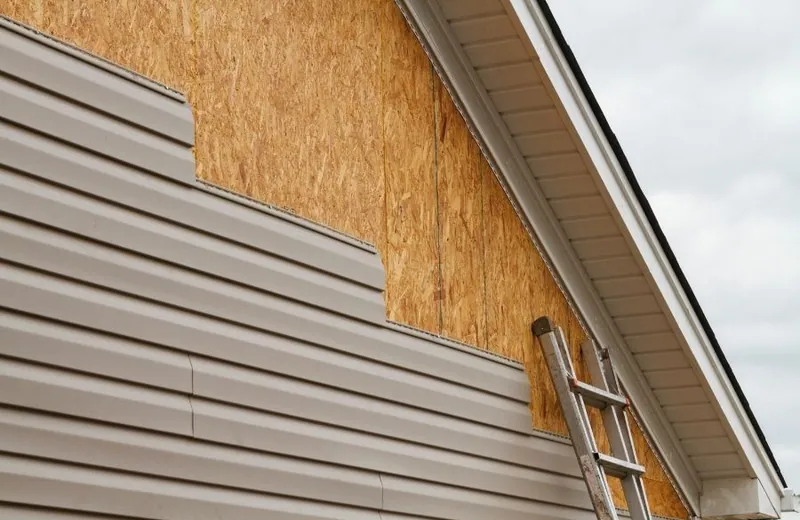
Rowlett's exterior walls take a beating. Spring supercells roll through Hail Alley with 1–2" stones, July sun bakes west-facing walls past 100°F, and wind-driven rain off Lake Ray Hubbard looks for any gap around a window or roof-to-wall joint. Then there's the Blackland Prairie clay, which shifts the foundation and racks trim out of square. Rowlett Siding Masters installs and repairs siding with these conditions in mind. We use durable products like James Hardie fiber cement and engineered wood, put in proper moisture barriers and flashing, and fix hail-cracked panels, swollen hardboard, and rotted trim before the damage spreads to the framing behind it.

Most homes here are 1980s–2000s brick-and-siding builds. A lot of them still have Masonite-type hardboard on the gables and chimney chases, and it's at or past the end of its life. We've worked on homes from Waterview and the Chiesa/Dalrock area to lakeside custom builds along the Shoreline. Our crews also cover Garland, Sachse, and Rockwall. Every job comes with a detailed written estimate and help choosing colors that fit your HOA's rules, and we leave your yard tidy every evening.

  • Serving Rowlett homeowners since 2020
  • Bonded for your protection
  • Fully insured crews
  • Financing available
Free Estimate

Request Your Free Estimate

No obligation. Fast, honest quotes.

Prefer to talk? Call (214) 751-3044 — your details are never shared.

Credentials & Certifications BondedInsured
What We Do

Siding Services for Rowlett and the Eastern Metroplex

We match the siding material to the house, the HOA rules, and the exposure each wall faces. A lakeside gable in Heath gets different treatment than a shaded rear wall in Garland. Below is everything we install and repair. Every project includes moisture barriers, flashing, and fastening done to the manufacturer's specs.

Siding Installation

We install complete siding systems on new additions, custom builds, and full re-sides, covering the house wrap, flashing, trim, and finish.

We check the wall plane, install a weather-resistive barrier with shingle-style laps, flash every opening, and fasten to the manufacturer's spec.

For Rowlett's brick-plus-siding homes, we put the most attention on the brick ledge transition and the gable walls, where wind-driven rain does the most damage.

Best for: Homeowners re-siding entire elevations or adding square footage who want a weather-tight system.

Explore

Vinyl Siding Installation

We install budget-friendly vinyl and insulated vinyl in profiles and colors suited to North Texas sun.

We hang panels loosely with proper expansion gaps so they don't oil-can in 100°F heat, and we use heavier-gauge products where hail exposure is high.

Vinyl is a good fit for many Garland, Mesquite, and Balch Springs homes. We check HOA rules first, because several Rowlett and Rockwall communities don't allow it.

Best for: Budget-conscious owners and rentals where HOA rules allow vinyl.

Explore
★ Specialty

Fiber Cement Siding Installation

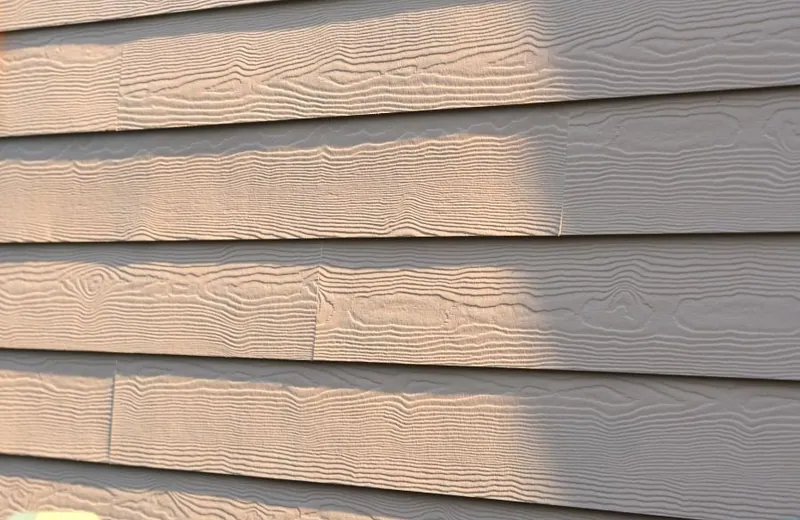
We install fiber cement lap, panel, and shingle siding that holds up to hail, rot, termites, and fire much better than hardboard.

We use proper blade-cut techniques, seal or factory-prime all cut edges, follow clearance rules at roofs and grade, and flash the butt joints.

Fiber cement is our go-to replacement for failing 1980s–90s hardboard in Rowlett. It handles lake humidity and sprinkler overspray without swelling.

Best for: Long-term owners who want durable, low-maintenance siding that fits nearly any HOA.

Explore
★ Specialty

James Hardie Siding Installation

We install James Hardie products, including HardiePlank, HardiePanel, and HardieShingle, with optional prefinished ColorPlus color.

We follow James Hardie's installation instructions on clearances, fastening, and joint flashing so the work meets manufacturer requirements.

Hardie's product line is engineered for this climate zone, and ColorPlus finishes resist the fading that Rowlett's intense UV causes on painted siding.

Best for: Hail-weary homeowners and HOA communities like Waterview and Lakeview that favor fiber cement.

Explore

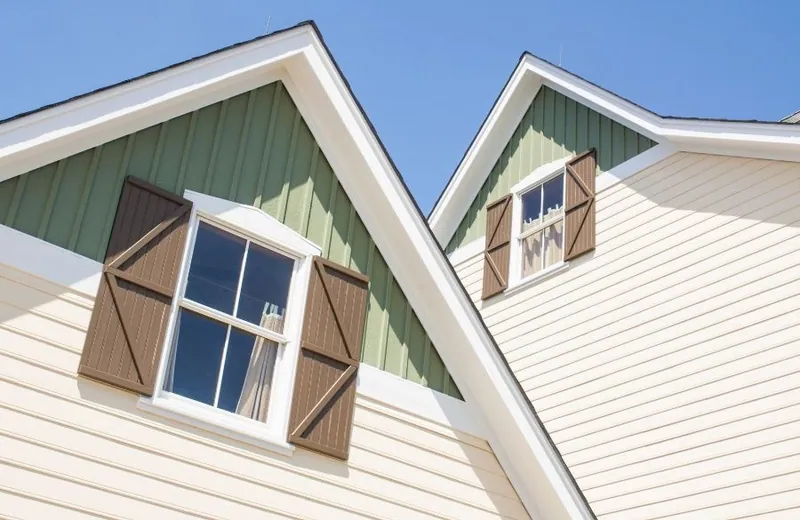
Board and Batten Siding Installation

We install vertical board-and-batten in fiber cement, engineered wood, or wood for a modern farmhouse look.

We install panels over furring or a drainage plane, space the battens evenly, and plan the layout around windows.

Board and batten has become a popular accent on lake-view gables in Heath, Rockwall, and the Rowlett Shoreline.

Best for: Owners updating a dated exterior or adding gable accents.

Explore

Wood Siding Installation

We install and replace natural wood lap and clapboard siding.

We back-prime and end-seal every board, use stainless or hot-dipped fasteners, and leave ventilation gaps behind the siding.

This is the right choice for original-character homes in Highland Park, University Park, and central Garland, where matching existing wood is what matters most.

Best for: Historic and character homes that need authentic material.

Explore

Metal Siding Installation

We install steel panel and standing-seam style siding on homes, shops, and accent walls.

We use concealed or exposed fasteners with closures and trim to keep out wind-driven rain.

Metal works well for modern Lucas and Parker builds and for barns and shops on larger acreage lots.

Best for: Modern designs and outbuildings needing a tough, low-maintenance shell.

Explore

Cedar Siding Installation

We install cedar lap and channel siding with protective stains.

We use kiln-dried stock, back-prime it, fasten with stainless nails, and apply a UV-blocking finish.

Cedar gives Heath and Lakes of Heath custom homes a warm look, but in lake humidity it needs to be refinished regularly.

Best for: High-end homes that want natural wood character.

Explore

Hardie Plank Siding Installation

We install HardiePlank lap siding in smooth or wood-grain textures.

We use blind nailing, flashed butt joints, and proper roof and grade clearances.

HardiePlank is the most common direct replacement for hardboard lap siding on Rowlett second stories and gables.

Best for: Hardboard replacement with a classic lap look.

Explore

Hardie Board Installation

We install Hardie panels and trim boards for soffits, gables, chases, and accent walls.

We install the panels with flashed horizontal joints and matching HardieTrim.

Hardie board is ideal for re-cladding rotted chimney chases throughout Rowlett and Mesquite.

Best for: Chimney chases and gable panels.

Explore

Engineered Wood Siding Installation

We install engineered wood lap and panel siding such as LP SmartSide.

We seal the cut edges, keep proper clearances, and install it over a drainage-friendly WRB.

Engineered wood is lighter and more impact-flexible than older hardboard, and it's a good value for Sachse and Wylie homes.

Best for: Owners wanting a wood look at a moderate price.

Explore

Aluminum Siding Installation

We repair, match, or replace aluminum siding on mid-century homes.

We source matching profiles where we can and carefully replace dented sections.

Aluminum siding is common on 1950s–60s ranch homes in Richardson, Mesquite, and Balch Springs.

Best for: Matching or updating existing aluminum siding.

Explore

Siding Replacement Services

We do full or partial tear-off and replacement of failing siding.

We remove the old siding, inspect and repair the sheathing and framing, then install new WRB, flashing, and siding.

Many Rowlett homes built in the 1980s–90s now need replacement, often with hidden rot at the bottom courses and chimney chases.

Best for: Homes with widespread swelling, rot, or hail damage.

Explore

Siding Repair Services

We replace cracked, loose, or rotted boards and fix flashing failures.

We match profiles and colors, address the cause of the damage, and seal the repair.

Siding repair is ideal for spot hail damage, sprinkler-rotted bottom courses, and woodpecker holes.

Best for: Localized damage on otherwise sound siding.

Explore

Board and Batten Exterior Installation

We install full-exterior board-and-batten conversions.

We plan the batten spacing and trim details so they line up cleanly with windows and corners.

Full board-and-batten exteriors are popular on remodels in Rockwall and Fate.

Best for: Complete exterior style updates.

Explore

Vertical Siding Installation

We install vertical panel and channel siding.

We use furring and horizontal Z-flashing to shed water.

Vertical siding works well on contemporary lake homes and accent bays.

Best for: Modern accents and tall walls.

Explore

Stone Veneer Siding Installation

We install manufactured stone veneer as wainscots, columns, and accent walls.

We install a double WRB, lath, a weep screed, and proper clearances to avoid trapping moisture.

Stone veneer can help satisfy masonry-percentage requirements and HOA style rules in Rockwall, Heath, and Plano.

Best for: Upscale accents and masonry requirements.

Explore

Soffit and Fascia Installation

We replace rotted eaves with vented soffit and durable fascia.

We use fiber cement, aluminum, or PVC-wrapped boards with balanced ventilation.

This stops pests and attic heat buildup on older Rowlett and Garland homes.

Best for: Rotted or pest-damaged eaves.

Explore

Exterior Trim Installation

We install corner, window, door, and frieze trim.

We use fiber-cement or composite trim with flashing and flexible sealants.

New trim holds up better than pine against Rowlett's heat and shifting clay soil.

Best for: Rotted trim or style refreshes.

Explore

Siding Inspection and Consultation

We assess siding condition, hail damage, and hidden moisture.

We do photo documentation, probe the wood, check the flashing, and give you a written estimate.

This helps with insurance documentation, HOA submittals, and real-estate inspections in a competitive DFW market.

Best for: Post-storm checks, buyers, and sellers.

Explore

Asbestos Siding Removal and Replacement

We replace mid-century asbestos-cement shingle siding.

We coordinate testing and removal in line with Texas DSHS asbestos rules before installing the new siding.

Asbestos-cement siding is found on some 1950s–60s homes in Garland, Mesquite, and Richardson.

Best for: Older homes with cement-shingle siding.

Explore

Mobile Home Siding Replacement

We replace damaged siding on manufactured homes.

We use lightweight vinyl or metal panels suited to manufactured-home framing.

This is common after hail and wind events in the rural edges of Lavon and Royse City.

Best for: Manufactured homeowners.

Explore

Commercial Siding Installation

We side offices, retail spaces, and small multifamily buildings.

We schedule around tenants and follow commercial code details.

We serve small commercial properties along I-30 and the SH-190 corridor.

Best for: Light commercial owners.

Explore

Cedar Shake Siding Installation

We install cedar or fiber-cement shake siding on gables and accents.

We use staggered coursing, stainless fasteners, and a full WRB.

Shake siding complements Craftsman homes in the Park Cities and lake homes in Heath.

Best for: Gable accents with a traditional look.

Explore

Modern Siding Installation

We design and install mixed-material modern exteriors.

We combine panels, lap, metal, and wood-look products with clean reveals.

Modern siding suits contemporary remodels in Lucas, Parker, and the Rowlett waterfront.

Best for: Owners wanting a contemporary exterior.

Explore
Know The Signs

Common Siding Problems We See Around Rowlett

Most siding calls in Rowlett come down to the same few causes: hail, heat, lake moisture, and soil movement. Here are the problems we run into most often, how to spot them yourself, and how serious each one usually is. That way you can tell whether it's time to call or something you can keep an eye on.

Hail-Cracked and Dented Siding Serious

This is impact damage from spring hailstorms. It shows up as cracked or punched-through vinyl, dented aluminum or steel, and chipped corners on fiber cement. Even small cracks let water get behind the panel, where it soaks the house wrap and sheathing.

Why it's common here

North Texas sits right in Hail Alley, and supercells crossing from Garland toward Rockwall often pass straight over Rowlett. Stones of 1–2 inches are common in April and May. Builder-grade vinyl on 2005-and-newer homes is thin, and it gets brittle on cool spring mornings. West- and north-facing walls usually take the worst of it. Insurance claims add another complication. Older panel profiles may be discontinued, so a partial repair can leave mismatched walls unless someone carefully documents what needs replacing.

Signs you'll notice
  • Holes or spiderweb cracks in vinyl panels
  • Round dents in aluminum siding or trim
  • Chipped or cracked edges on fiber-cement planks
  • Splatter marks on painted surfaces after a storm
  • Dented gutters, vents, and AC fins nearby
  • Neighbors filing hail claims after the same storm
Local patterns

We see clusters of hail damage in Waterview, Woodbridge in Sachse, and the newer Fate and Royse City subdivisions after big spring storms. Exposed lakeside homes along the Shoreline also take more wind-driven hail on their gable ends.

Our fix: We document the damage with photos and measurements, meet your adjuster if you'd like, and replace damaged courses or whole elevations with matched or upgraded impact-resistant siding.

Swollen, Rotting Hardboard (Masonite) and OSB Siding Serious

This is composite hardboard or OSB lap siding that has soaked up water through failed paint or bare cut edges. The board swells, flakes, mushrooms at the bottom edge, and eventually goes soft. The rot often keeps spreading into the sheathing behind it.

Why it's common here

Builders in the 1980s and 1990s used Masonite-type and LP inner-seal siding widely across Rowlett, Garland, and Sachse. These products only last as long as the paint does. Rowlett's summer UV breaks paint down fast, and lake humidity, sprinkler overspray, and flower beds soak the bottom courses. After 30-plus years, a lot of these homes are well past the boards' service life, and repeated repainting just covers up the swelling underneath.

Signs you'll notice
  • Bottom edges of boards swollen or flared out
  • Soft spots that give under thumb pressure
  • Peeling paint that keeps coming back
  • Fuzzy, flaking texture on the board surface
  • Visible wafer pattern on OSB boards
  • Gaps where boards have shrunk away from trim
Local patterns

Hardboard failures are everywhere in the Chiesa/Dalrock area, Lakeview/Bayside, Downtown Garland, and Canyon Creek in Richardson. They're worst on rear walls next to sprinklers and on shaded north elevations.

Our fix: We remove the failed boards, inspect and repair the sheathing, install new house wrap and flashing, and replace the boards with fiber cement or engineered wood.

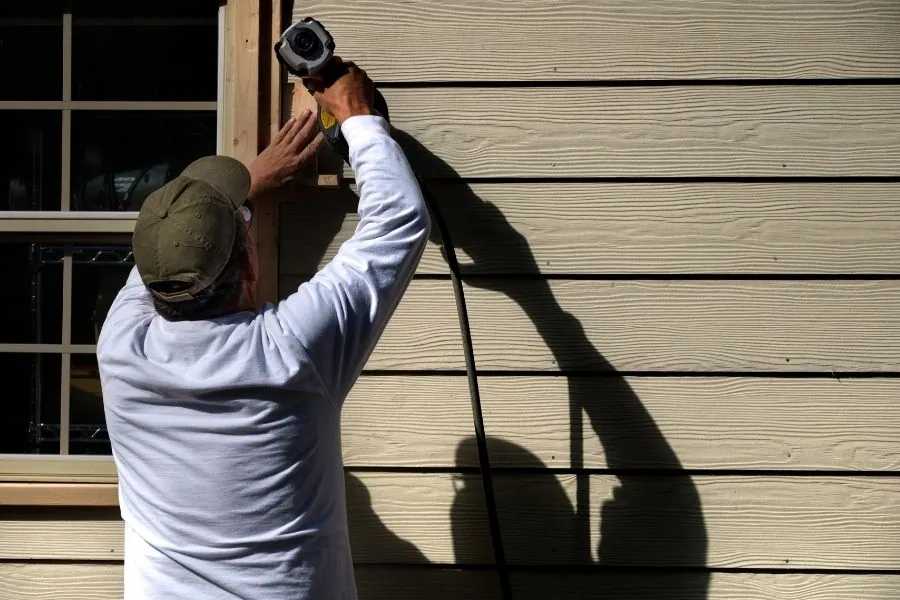
Rotted Chimney Chase Serious

A chimney chase is the wood-framed box around a prefab fireplace flue. Its siding, trim, and chase cap take water from every direction. When they fail, water runs down into the chase framing and sometimes into the attic or the ceiling.

Why it's common here

Nearly every 1980s–90s Rowlett home with a fireplace has a framed chase clad in hardboard or wood. Rusted chase caps and dried-out caulk at the roof line let wind-driven spring rain in. Because the chase sits high and stands alone, it gets full sun and wind on three or four sides. That speeds up paint failure, and most owners never see the damage from the ground.

Signs you'll notice
  • Stained or bubbling paint on the chase
  • Rust streaks running down from the cap
  • Boards separating at the chase corners
  • Water stains near the fireplace inside
  • Woodpecker holes in the chase siding
  • Sagging or soft trim at the roof line
Local patterns

Rotted chases are among our most common repair calls in older Rowlett subdivisions and in Mesquite's Truman Heights and Town East areas. Many homes there still have their original 30-year-old chase caps and hardboard.

Our fix: We strip the chase, replace rotted framing and sheathing, wrap and flash it properly, then re-clad it in fiber cement and coordinate a new cap where needed.

Water Intrusion at Windows, Doors, and Roof-to-Wall Joints Serious

This happens when missing or poorly lapped flashing, kick-out flashing, or house wrap lets rain get behind the siding. The siding itself may look fine while the sheathing, insulation, and framing underneath slowly rot.

Why it's common here

Rowlett's thunderstorms push rain sideways, sometimes at 50+ mph off the lake. Many tract homes were built without kick-out flashing where the roof meets the wall, and window flashing was often skipped or installed backwards. Siding-to-brick transitions with no weep path trap water at the top of the brick ledge. Things look fine until a wall cavity starts to smell musty or the drywall stains.

Signs you'll notice
  • Stains below window corners inside or out
  • Swollen siding directly under roof-to-wall joints
  • Musty odor in a single room
  • Paint blistering around window trim
  • Rotted sill plates or soft baseboard areas
  • Mildew lines on the brick under siding
Local patterns

We find this most often on two-story homes in Waterview and Lakes of Heath, where second-story siding sits above first-floor brick and roof lines step down across the front.

Our fix: We open the affected area, repair the damaged sheathing, install proper window and kick-out flashing plus WRB laps, and re-side with correct brick-transition details.

Gaps and Buckling from Foundation Movement Moderate

This is siding, trim, and caulk joints pulling apart, bowing, or cracking as the house shifts on expansive clay. Rigid materials can buckle, corners can open up, and the brick-to-siding joints can split.

Why it's common here

The Blackland Prairie clay under Rowlett swells after heavy spring rain and shrinks during long summer droughts, sometimes by inches. As the slab flexes, wall framing racks. Siding installed with tight joints and no room for expansion has nowhere to go. In some cases we tell owners to have the foundation evaluated before we re-side, so the new work doesn't crack right away.

Signs you'll notice
  • Open gaps at outside corners
  • Caulk joints torn along trim
  • Diagonal cracks in brick below the siding
  • Window trim out of square
  • Panels bowing outward mid-wall
  • Doors sticking on that side of the house
Local patterns

This is common across Rowlett, Garland, and Mesquite, especially on lots with big trees or uneven irrigation. It usually gets worse after long dry spells like the summers of 2011 and 2022.

Our fix: We assess whether the movement has stopped, coordinate with foundation repair if needed, then reset the trim and joints using flexible sealants and proper expansion gaps.

Rotted Soffit, Fascia, and Exterior Trim Moderate

This is decay in the wood boards along the roof edge, eaves, corner boards, and window casings. Rotted fascia lets water and pests into the attic and can no longer hold gutters securely.

Why it's common here

Trim on most older Rowlett homes is finger-jointed pine or hardboard. Overflowing gutters, lake humidity, and UV-cracked paint all work against it. Squirrels, wasps, and woodpeckers take advantage of any soft spot, and termite pressure in the region adds to the risk.

Signs you'll notice
  • Soft, crumbling fascia behind gutters
  • Sagging or detached soffit panels
  • Animal entry holes at the eaves
  • Peeling paint on corner boards
  • Gutters pulling away from the roof line
Local patterns

This shows up most under shaded north eaves and on homes with heavy tree cover in Canyon Creek, the Lake Highlands area, and established Rowlett streets near Downtown Rowlett.

Our fix: We replace rotted trim with fiber-cement or PVC-wrapped boards, install vented soffit, and seal and paint everything so it holds up for years.

Faded, Chalking, or Oil-Canned Panels Minor

This is cosmetic wear: color fading, a chalky residue, and wavy "oil-canning" in vinyl or metal. It's not urgent, but it hurts curb appeal and resale value and can be a sign the installation was too tight.

Why it's common here

South- and west-facing Rowlett walls get hours of direct sun every summer, and reflections from low-E windows can concentrate that heat enough to warp vinyl. Paint on hardboard and fiber cement fades faster here than in milder climates, which is why prefinished options like Hardie ColorPlus are so popular.

Signs you'll notice
  • Noticeable color difference between walls
  • White chalk on your hand after touching
  • Wavy or rippled vinyl panels
  • Panels that won't slide on the nails
  • Dull, blotchy paint finish
Local patterns

We see this often on builder-grade vinyl in Wylie, Lavon, and Woodcreek in Fate, and on west-facing elevations across Rowlett lakeside subdivisions.

Our fix: We reinstall or replace warped panels with proper fastening, or recommend repainting or prefinished fiber cement for a fade-resistant finish.

Transparent Pricing

What Siding Costs in Rowlett, TX

Siding prices in Rowlett depend on how much wall area is clad, what material you pick, and what we find behind the old boards. Below are the main cost drivers and some realistic ranges for local homes. Your written estimate will give you exact numbers.

Typical Project

Hail damage spot repair

Replace 3–6 cracked courses on one elevation and match the existing profile and color

$600 – $2,500
Typical Project

Chimney chase rebuild

Typical Rowlett two-story chase: rotted framing repair, new wrap, Hardie panel or lap, trim

$2,500 – $6,500
Typical Project

Hardboard to James Hardie replacement

1980s–90s brick-first-floor home with about 1,200–1,600 sq ft of siding, plus new trim and WRB

$14,000 – $26,000
Typical Project

Full lakeside re-side

Two-story Heath or Rowlett waterfront home with about 3,000+ sq ft, board and batten accents, lift access

$35,000 – $70,000
Material Choice Primary Factor

Material is the biggest single variable. Vinyl typically runs about $5–$9 per square foot installed in DFW. Engineered wood usually falls around $7–$11, and James Hardie fiber cement is about $9–$15, with prefinished ColorPlus at the higher end. Cedar and stone veneer cost more. In Rowlett, fiber cement often costs less over its lifetime because it handles hail, sun, and humidity well.

Square Footage and Wall Height Primary Factor

Most Rowlett homes have brick on the first floor, so siding usually covers only the gables, second story, and back walls, often 800–2,000 square feet. Two-story lakeside homes in Heath and Rockwall have tall gable walls that need lifts or scaffolding, which adds labor and setup cost compared with single-story reach.

Hidden Rot and Sheathing Repair Major Factor

Older hardboard homes often hide rotted sheathing, sill plates, or chase framing. Sheathing replacement typically adds $3–$6 per square foot where it's needed. We point out likely problem areas during the inspection and price that work clearly in the estimate.

Trim, Soffit, and Fascia Secondary Factor

Replacing corner boards, window trim, frieze boards, soffit, and fascia at the same time creates a complete, weather-tight exterior. It can add $1,500–$6,000+ depending on the linear footage and material. Fiber-cement trim lasts much longer than pine in Rowlett's heat and humidity.

Permits, HOA, and Special Handling Secondary Factor

City permit fees vary. HOA requirements can rule out cheaper materials. Asbestos-cement siding requires testing and regulated removal, and pre-1978 homes call for lead-safe practices. All of these affect the final price.

Financing is available for qualified homeowners, so you can replace failing siding now and pay over time. Siding work done before rot reaches the framing costs far less than structural repair later. It also boosts curb appeal and helps you avoid inspection problems in the competitive DFW real-estate market.

Local Expertise

Why Rowlett Homes Need a Siding Contractor Who Knows North Texas

Siding that holds up fine in a mild climate can fail within a few seasons in Rowlett. Lake humidity, hail, triple-digit heat, the occasional hard freeze, and shifting clay soil all hit the same walls. Here's what your exterior is up against and why the material and installation details matter so much.

Hail Alley, Lake Wind, and 100°F Summers

DFW is one of the most hail-damaged metros in the country. Spring storms regularly drop 1–2"+ hail that cracks vinyl, dents aluminum, and chips fiber-cement edges. Rowlett gets roughly 38–40 inches of rain a year, mostly in April–June and October, and a lot of it is wind-driven sideways into window and door flashing. Summer highs sit in the upper 90s and often top 100°F. That heat fades paint, cracks caulk, and can warp vinyl, especially where low-E windows reflect sunlight onto the wall. Winters are usually mild, but Winter Storm Uri in February 2021 showed how quickly cold vinyl turns brittle. The EF-4 tornado on December 26, 2015, which tore through Rowlett and Garland, is a reminder that wind exposure near the lake is a real risk, not a hypothetical one.

1980s–2000s Brick-and-Siding Homes at End of Life

Rowlett grew quickly after Lake Ray Hubbard was finished in 1969, and most of its houses are tract homes built between the 1980s and 2000s. The usual setup is brick on the first floor and siding on the gables, second-story walls, dormers, chimney chases, and back walls. Builders of that era relied on composite hardboard and OSB lap siding. Once the paint fails, those boards swell, mushroom at the bottom edges, and rot. Many of them have now reached the end of their service life. Wood chimney chases, fascia, and soffits are frequent failure points too. Add the expansive Houston Black clay, which swells when it's wet and shrinks during droughts, and you get racked framing, gaps at corners, and buckled panels. Newer homes mostly have builder-grade fiber cement or vinyl that's already showing hail and caulk damage.

Permits, HOAs, and Insurance Rules

Rowlett and most nearby cities require a building permit to re-side a home, though minor repairs usually don't need one. Each city follows its own version of the International Residential Code, which sets rules for weather-resistive barriers, flashing, and fastening to the manufacturer's specs. Since 2019, Texas HB 2439 has kept cities from banning building materials beyond national codes. HOAs are a different story. Communities like Waterview, Lakeview, and Bayside often require architectural approval and may ban vinyl outright. Texas doesn't license siding contractors at the state level, so bonding, insurance, and a record of pulling permits are what set a legitimate contractor apart. Hail claims fall under Texas Insurance Code §707, which prohibits waiving deductibles. Asbestos-cement siding is regulated by Texas DSHS, and homes built before 1978 require EPA lead-safe work practices.

Rowlett Siding Masters Siding Contractor in Rowlett, TX project in Rowlett, TX (1)
Rowlett, TX
Rowlett Siding Masters Siding Contractor in Rowlett, TX project in Rowlett, TX (2)
6+ Years
Talk to a Local Expert
The Rowlett Siding Masters Difference

Why Rowlett Homeowners Choose Rowlett Siding Masters

We're Local, Not Storm Chasers

Every time a big hail storm hits DFW, out-of-town crews pour in, knock on doors, and leave before the warranty questions come up. We're based in Rowlett and have served this community since 2020, and our jobs are close to home. We know which subdivisions got hit hardest, which HOAs restrict vinyl, and which city permit offices need what. If something comes up after the job, we're a local call away and not a disconnected out-of-state number.

Bonded and Insured

Texas doesn't license siding contractors at the state level, so it's up to homeowners to check who they're hiring. Rowlett Siding Masters is bonded and insured. That protects you, your property, and our crews while we're on ladders, lifts, and scaffolding around your home. We'll gladly provide proof before any work starts. We also pull permits where cities require them, so the work is on record and inspected.

Built for Hail, Heat, and Lake Humidity

Our approach is to use durable products and get the moisture management right. That means fiber cement and engineered wood that resist hail and rot, a properly lapped weather-resistive barrier, kick-out flashing at roof-to-wall joints, and correct weep details where siding meets brick. These details don't show once the siding is up, and they're exactly where Rowlett homes fail when installers skip them.

Deep Experience with 1980s–90s Hardboard

Much of Rowlett, Garland, and Sachse was built with Masonite-type hardboard and OSB siding that's now failing. We know where rot tends to hide on these homes: at chimney chases, window sills, and the bottom courses next to sprinklers. We open up suspect areas, repair the sheathing and framing properly, and replace the boards with materials that won't swell the next time it rains.

Detailed Estimates with No Guesswork

Every project starts with a detailed written estimate that spells out the materials, scope, trim, and disposal. If we expect hidden rot, we tell you up front how repairs will be priced, so a surprise doesn't turn into a blown budget. For hail work, we document damage with photos and measurements for your claim. We follow Texas insurance law, which means no deductible waivers and no acting as your adjuster.

Color Guidance and HOA Help

Picking a siding color that looks good against your brick, roof, and the neighbors' homes is harder than it sounds. We bring samples, explain how prefinished colors resist North Texas fading, and help you put together HOA architectural submittals for communities like Waterview, Lakeview, Woodbridge, and Buffalo Creek. The goal is approval on the first try.

Clean Job Sites and Financing

We clean up every evening. That means picking up debris, sweeping for nails, and keeping your driveway usable, since your family still lives there while we work. Siding is a major investment, and replacing it all at once isn't always easy. Financing is available so you can take care of failing siding before it turns into a framing repair.

Simple & Transparent

How a Rowlett Siding Project Works

No pressure and no surprises. Here's what happens from the first phone call to the final walkthrough, including how we handle permits, HOA approval, and North Texas weather.

Inspection and Consultation

Usually within a few days of your call
  • Walk every elevation, including chimney chases and gables
  • Probe suspect boards for hidden rot
  • Photograph hail or storm damage
  • Talk through your goals, budget, and style

Local note: After a major hail storm we put active leaks and open walls first.

Detailed Estimate and Color Guidance

Typically 2–5 days after the inspection
  • Written, line-item estimate
  • Material comparisons such as Hardie vs. vinyl vs. engineered wood
  • Color guidance and samples
  • Financing options explained

Local note: We check your HOA's approved materials and colors before you commit to anything.

Permits, HOA, and Scheduling

1–4 weeks depending on city and HOA
  • Pull the building permit with Rowlett or your city
  • Prepare documents for HOA architectural review
  • Order materials and confirm the color lot
  • Set a start date

Local note: Communities like Waterview and Chandlers Landing may require approval before work begins.

Installation

Most homes take 3–10 working days
  • Protect landscaping and AC units
  • Remove old siding and repair the sheathing
  • Install house wrap, flashing, and new siding
  • Clean up the job site every evening

Local note: In summer, crews start early so caulk and paint cure properly.

Final Walkthrough

On completion
  • Walk the job with you
  • Fix any punch-list items
  • Final inspection where required
  • Provide manufacturer product warranty paperwork

Local note: We sweep for nails with a magnet so your driveway and yard are clear.

Trusted Locally

A Bonded, Insured Rowlett Siding Company

Serving Rowlett Since
2020
Rowlett, TX

Rowlett homeowners call us for clear estimates, careful moisture detailing, and crews that clean up every evening. Ask us for local references from your area.

20-Mile
Service Radius
18
Communities Served
25
Siding & Exterior Services
BondedInsured
Where We Work

Siding Service Areas Around Rowlett and Lake Ray Hubbard

We're based in Rowlett and serve the communities around Lake Ray Hubbard and the eastern Metroplex. That area covers 1980s tract homes, new exurb production homes, and historic Park Cities houses, and each of them needs a different approach to siding.

Rowlett and the Lake Ray Hubbard Shore

RowlettRockwallHeathGarlandMesquiteBalch Springs

Collin County and Rockwall County Growth Corridor

SachseWylieMurphyFateRoyse CityLavon

North Dallas Suburbs and the Park Cities

RichardsonPlanoParkerLucasHighland ParkUniversity Park

We serve homes within roughly a 20-mile radius of Rowlett. If you're near the edge, contact us and we'll confirm. Not sure if we cover your area? Call (214) 751-3044.

Find Us

Serving Rowlett, TX & Nearby

3714 Big A Rd, Rowlett, TX, 75089 · Mon-Fri: 7:00 AM - 9:00 PM · Sat-Sun: 7:00 AM - 6:00 PM

RowlettRockwallHeathGarlandMesquiteBalch SpringsSachseWylieMurphyFateRoyse CityLavonRichardsonPlano
Questions & Answers

Siding Questions from Rowlett Homeowners

How much does it cost to replace siding on a house in Rowlett?

Most Rowlett re-siding projects fall somewhere between $10,000 and $30,000, because brick usually covers the first floor and siding only covers the gables, second story, and back walls. Fiber cement like James Hardie typically runs about $9–$15 per square foot installed. Vinyl is around $5–$9 and engineered wood is in between. Big two-story lakeside homes can go past $35,000. The biggest unknown is hidden rot behind old hardboard. We point out likely problem areas during the inspection and put pricing in your written estimate. Financing is available.

How long does a siding project take?

Installation on a typical Rowlett home takes about 3–10 working days, depending on square footage, wall height, and how much sheathing repair we find. A single repair or chimney chase rebuild often takes 1–3 days. The timeline before installation is the part people tend to underestimate. City permits and HOA architectural review can add 1–4 weeks, and demand jumps after spring hail storms. Summer heat also affects the schedule, since crews start early so sealants and paint cure properly. We'll give you a realistic timeline with your estimate.

Do I need a permit to replace siding in Rowlett?

Usually, yes. Rowlett and most surrounding cities, including Garland, Rockwall, and Plano, require a building permit to re-side or replace exterior wall coverings, though minor repairs often don't need one. Thresholds and fees vary by city, so we check with the right Building Inspections department and pull the permit for you. If you live in an HOA community like Waterview, Lakeview, or Bayside, you'll probably need architectural approval too, and many HOAs restrict colors or ban vinyl. We help prepare those submittals before work starts.

Will insurance cover hail damage to my siding?

Often, yes. Hail damage is typically a covered peril under Texas homeowners policies, subject to your deductible. We inspect your siding, document the damage with photos and measurements, and can meet with your adjuster to point out what we found. We're not public adjusters, and Texas law (Insurance Code §707) prohibits contractors from waiving or absorbing your deductible. Be cautious of anyone who offers to. Matching discontinued profiles is a common issue, so we document that carefully for your claim.

Is James Hardie fiber cement better than vinyl in North Texas?

For most Rowlett homes, fiber cement is the stronger long-term choice. It resists hail better than thin vinyl, won't warp from reflected low-E window heat, doesn't feed termites or woodpeckers, and stands up to lake humidity and sprinkler overspray. Prefinished ColorPlus also resists fading. Many local HOAs require fiber cement or masonry anyway. Vinyl costs less upfront and still makes sense for some budgets and rentals where HOA rules allow it. Engineered wood is a solid middle option. We'll walk you through all three for your house.

How do I know when it's time to replace my siding instead of repairing it?

Repair makes sense when the damage is limited to a few boards or one elevation and the rest is solid. It's time to replace when hardboard or OSB is swelling, mushrooming, or soft in multiple places, when paint won't stay on, or when hail damage covers most of a wall. Many 1980s–90s Rowlett homes are now at that point. Act soon if you see soft spots, stains at window corners, or a rotting chimney chase. Once water reaches the sheathing and framing, the repair cost goes up fast.

How can I prevent siding problems on my Rowlett home?

Adjust sprinklers so they don't spray the walls. Keep mulch and soil several inches below the bottom course, and clean gutters so water doesn't overflow onto the fascia. Re-caulk joints and repaint painted siding before it starts peeling, since Rowlett's UV breaks coatings down quickly. Walk around the house after every hail storm and check the west and north walls closely. Watch for gaps at corners, which can signal foundation movement on our expansive clay. Have the chimney chase cap looked at every few years.

Can you match my existing siding if only part of the house is damaged?

Often, but not always. Many builder-grade profiles and colors from the 1990s and 2000s have been discontinued, and older siding fades so new boards may not match exactly. We try to source the closest profile and color, and we may suggest replacing a full elevation so the change happens at a natural break like a corner. For insurance claims, we document matching issues so your adjuster can see why a partial repair would leave the house visibly mismatched.

Get Your Rowlett Siding Inspection Scheduled

Whether last spring's hail cracked your panels or your 1990s hardboard is finally giving out, the sooner it's fixed, the less you'll spend. Let's look at your walls and give you real numbers.

  • A thorough inspection of every elevation, chimney chase, and trim line
  • A detailed written estimate with clear material options
  • Photo documentation for hail and storm insurance claims
  • Color guidance and help with HOA architectural approval
  • A bonded and insured crew with permits pulled where required
  • Financing options for larger projects
  • A clean property at the end of every workday

We serve Rowlett, Garland, Sachse, Rockwall, Heath, Wylie, Murphy, Mesquite, Richardson, and other communities within 20 miles.

Storm tore off siding or opened a wall? Contact us and we'll prioritize getting your home weather-tight.

Bonded • Insured

Call (214) 751-3044 Free Estimate